BBQ Weather Challenges: Maintaining Temperatures in Different Conditions
This blog post addresses the challenges of maintaining consistent BBQ temperatures across different weather conditions including wind, cold, and heat. It provides practical strategies for each weather scenario, highlights the importance of reliable thermometers for temperature control, and shares advanced techniques for creating microclimate zones and mastering vent adjustments. The post naturally incorporates the TITAN GRILLERS brand while delivering genuine value to readers seeking to improve their grilling results regardless of weather conditions.
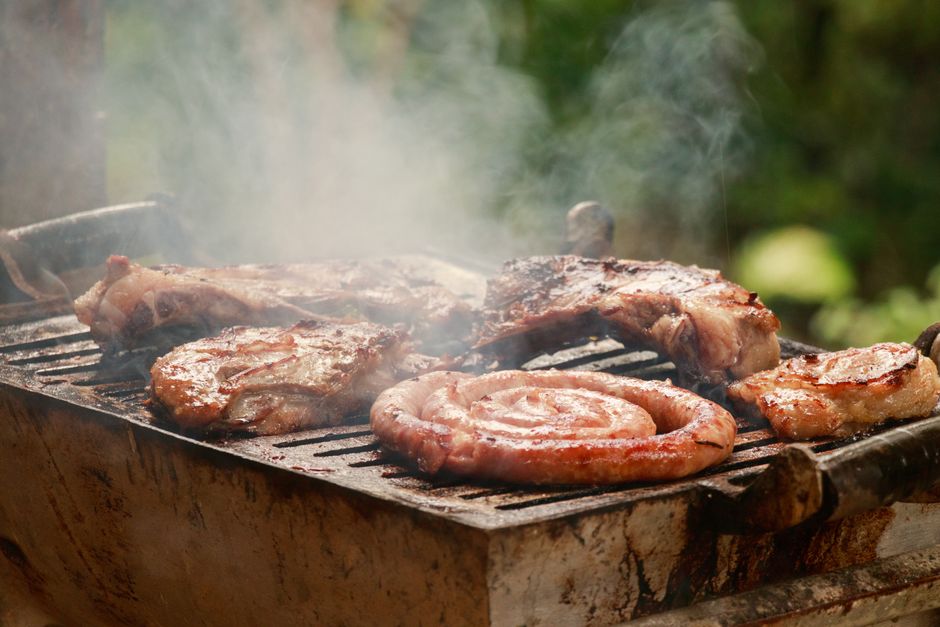
Weather doesn't care about your cook schedule. A steady 225°F on a calm 65°F afternoon is easy. That same target in 30°F weather with 20 mph wind gusts is a different problem entirely. The core principle doesn't change — you need consistent pit temperature — but how you achieve it does.

Wind: The Biggest Temperature Problem
Wind is the most disruptive weather variable for BBQ. It affects pit temperature two ways: it increases oxygen to the fire (spikes temperature up) and it pulls heat away from the cooker body (drops temperature). The net effect depends on wind direction relative to your vents. Usually you get an erratic combination of both.
Blocking wind intake
The most effective fix is physical: position the smoker so the intake vent faces away from the prevailing wind. On a Weber Smokey Mountain, rotate the unit so the intake faces leeward. On an offset smoker, keep the firebox on the upwind side so wind assists combustion rather than blowing through the cooking chamber.
If repositioning isn't possible, build a temporary windbreak — a plywood sheet, a stack of cinder blocks, or even a large cooler positioned upwind of the smoker intake. You don't need to block all airflow, just reduce the gusts. A steady 5 mph breeze is manageable; a 25 mph gust is not.
What wind does to your fuel consumption
Wind increases burn rate significantly. A cook that normally uses 12 lbs of briquettes in 8 hours might use 16–18 lbs in high wind. Account for this when loading fuel before a windy cook. Under-fueling in wind is a common overnight smoking mistake.
| Wind Speed | Impact | Adjustment |
|---|---|---|
| Under 10 mph | Minimal — normal cooking | None needed |
| 10–20 mph | Noticeable temp swings | Orient intake leeward, load extra fuel |
| 20–30 mph | Significant — difficult to hold target | Build windbreak, reduce vent opening |
| 30+ mph | High risk of runaway fire or stall | Consider postponing cook |
Cold Weather Smoking
Cold ambient temperatures (below 40°F) mean the smoker loses heat faster through the metal walls. You burn more fuel to maintain the same pit temperature, and temperature recovery after opening the lid takes longer.
What actually changes in the cold
Fuel consumption increases 20–40% in sub-40°F weather. A cook that takes 14 hours at 65°F ambient may take 15–16 hours at 30°F because the meat heats up more slowly. Your pit temperature will be harder to hold steady — more active vent management required.
Cold weather is actually good for one thing: smoke ring development. Cold meat takes longer to reach 140°F, extending the window for NO/CO absorption. If a smoke ring matters to you, a 30°F morning start is your friend.
Cold weather adjustments
- Load more fuel. Add 30–40% more charcoal than you would in mild weather. Better to have leftover coals than to run out mid-cook.
- Use an insulating blanket or jacket. Welding blankets work. Purpose-made smoker blankets (available for Weber Smokey Mountain, Kamado grills) reduce heat loss significantly. On a kettle or offset, a windbreak serves double duty as insulation.
- Start your fire longer before cooking. In cold weather, let the smoker stabilize at cooking temperature for 30–45 minutes before adding meat. Don't rush it.
- Minimize lid openings. Every time you open the lid in cold weather, you lose 20–30°F and recovery takes 5–10 minutes. Spritz less, check less.
- Expect the stall to last longer. Cold ambient temps extend the stall — evaporative cooling is fighting both the cold air and the fire. Build extra time into your plan or wrap earlier than usual.
Heat and High Humidity
Hot summer days (90°F+) create the opposite problem: the smoker runs hotter than usual and temperature swings toward high rather than low. You need less fuel and more active cooling management.
High humidity increases the stall duration significantly. At 85°F ambient with 80% humidity, evaporative cooling is less efficient — which paradoxically extends the stall because the physics of moisture removal slow down. A pork shoulder that stalls for 2 hours in dry 70°F weather might stall for 4–5 hours on a muggy 90°F afternoon.
Hot weather adjustments
- Reduce fuel load. In 90°F+ weather, the same charcoal load will produce higher pit temperatures than in mild weather. Start with 15–20% less and adjust.
- Open exhaust fully, restrict intake more. You still need airflow for combustion, but the intake vent controls temperature. Err toward less open.
- Start earlier. Midday heat makes temperature management harder. A pre-dawn start gets the cook through the difficult hot hours before peak afternoon heat.
- Use a water pan. Adding humidity inside the cooker on a dry hot day helps bark development and keeps meat surface moist. Counterintuitively, a water pan in hot dry weather does more good than in cool weather.
Smoking in the Rain
Light rain doesn't stop a cook. Heavy rain does — not because the meat gets wet (the dome or lid handles that) but because rain enters the intake vents and can kill the fire, and because rain significantly cools the cooker body, similar to cold weather but faster.
A roof or canopy over the smoker solves both problems. Position it so rain can't angle into the intake. Keep the smoker on a non-slip surface — wet concrete or wood decking changes the stability of the unit.
If it starts raining mid-cook on a charcoal smoker: close the intake to 25% to protect the coals, check pit temperature, and add a windbreak/canopy if you have one. Charcoal can survive light rain if the intake and exhaust are mostly closed and the coals are established. It cannot survive a downpour through an open intake.

Vent Adjustments by Weather Condition
The relationship between vents and temperature is the same regardless of weather — intake controls fuel supply (temp up or down), exhaust controls smoke draw and should usually stay fully open. What changes is the starting position for each condition.
| Condition | Intake Start Position | Exhaust Position | Notes |
|---|---|---|---|
| Calm, 65°F | 25–50% open | Fully open | Baseline — adjust from here |
| Cold (under 40°F) | 50–75% open | Fully open | More air to compensate for heat loss |
| Hot (over 85°F) | 15–25% open | Fully open | Less fuel needed — don't over-fire |
| Windy (20+ mph) | 15–25% open | 75% open | Reduce wind-driven oxygen spike |
| Rain | 25% (protect coals) | Fully open | Use canopy if possible |
Using Your Thermometer to Compensate for Conditions
Weather makes the case for a 2-channel leave-in thermometer more clearly than anything else. You cannot manage weather-driven temperature swings with an instant-read thermometer — by the time you walk outside to check, the damage is done. Continuous monitoring with pit and meat probes lets you see problems developing and respond before they compound.
Specific things to watch for in bad weather:
- In wind: Watch pit temperature for rapid spikes (10°F+ in under 5 minutes). That's a gust hitting the intake. Reduce intake preemptively during windy periods rather than chasing temperature after it spikes.
- In cold weather: Watch for slow temperature drops over 30+ minutes. That's not a gust — it's a dying fire. Add fuel earlier than you think you need to.
- In hot weather: Watch for sustained readings above 275°F. Reduce intake in 10% increments and give each adjustment 10 minutes to settle before adjusting again.
Use our brisket cook time calculator to adjust your cook timeline for weather conditions — cold weather adds 1–2 hours to a typical brisket, hot weather can shave 1 hour.
Frequently Asked Questions
How does cold weather affect BBQ cooking time?
Cold weather (below 40°F) typically adds 1–2 hours to a standard brisket or pork shoulder cook. The smoker loses heat faster, fuel consumption increases 20–40%, and the meat heats more slowly. Plan for a longer cook and load extra fuel.
Can I smoke meat in the rain?
Yes, in light rain with a canopy or cover over the smoker. Heavy rain can kill the fire by entering the intake vents. If it starts raining mid-cook, close the intake to 25% and get a cover in place quickly. The meat itself doesn't get wet under a domed lid.
Why does wind make BBQ temperature so hard to control?
Wind increases oxygen flow to the fire (raising temperature) and pulls heat from the cooker body (lowering temperature). The effect is erratic temperature swings rather than a steady reading. Positioning the intake vent leeward and building a windbreak are the most effective fixes.
Does humidity affect the BBQ stall?
Yes. High humidity slows evaporative cooling from the meat surface, which paradoxically extends the stall. At 85°F and 80% humidity, the same pork shoulder that stalls for 2 hours in dry weather may stall for 4–5 hours. Wrapping in butcher paper at the stall is more impactful in humid conditions.
How much more charcoal do I need for cold weather smoking?
Add 30–40% more fuel than you'd use in mild weather. For a cook that normally uses 12 lbs of briquettes, load 16–18 lbs in sub-40°F conditions. Better to have leftover coals than to run dry mid-cook.
What vent position should I use in windy conditions?
Start with the intake at 15–25% open and exhaust at 75% open. Orient the smoker so the intake faces away from the wind direction. This reduces the oxygen spike from wind gusts. Monitor closely — wind-driven temperature swings require more active management than calm conditions.
Recommended by Titan Grillers
IP67 Waterproof Digital Meat Thermometer
Reads in 2–3 seconds · Backlit LCD · Built-in magnet · Free returns


